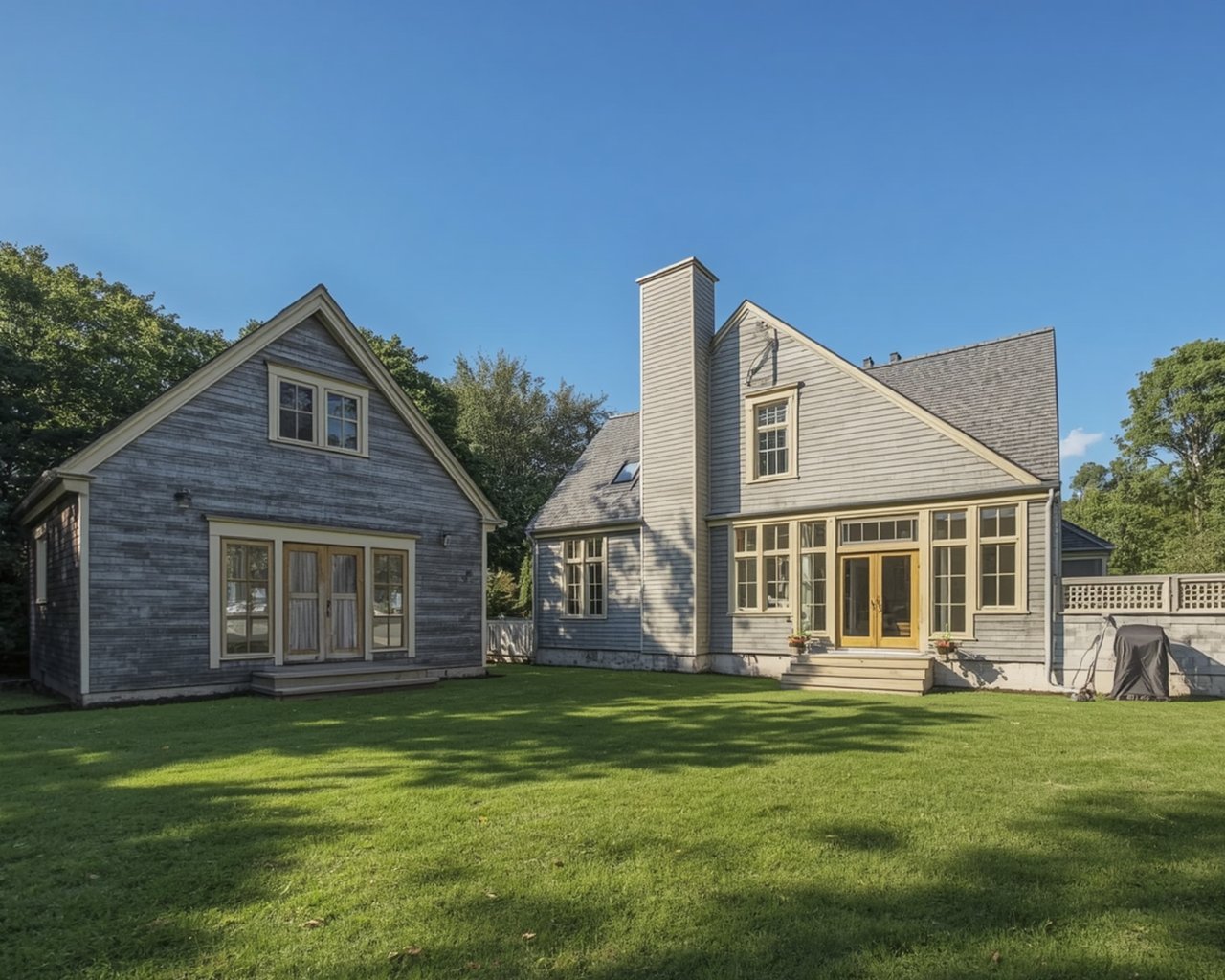
Massachusetts Just Made It a Lot Easier to Build an ADU on Your Property
A new MassHousing loan program offers up to $250,000 at a fixed 5.25% — and the financing structure is genuinely worth paying attention to.
If you've been thinking about adding an in-law suite, a backyard cottage, or a basement apartment to your property, Massachusetts just removed two of the biggest obstacles: zoning and financing.
First, the zoning piece. Accessory dwelling units (ADUs) are now legal by-right on single-family lots across the state — meaning you no longer need to navigate a variance or a special permit process. As long as your plans and permits are in order, you're cleared to build.
Second, the money. MassHousing has launched a dedicated ADU loan program with terms that are genuinely competitive. Here's what it looks like:
Loan Amounts
- Detached ADU (backyard cottage or separate structure): up to $250,000
- Attached ADU (basement apartment, in-law addition, interior conversion): up to $150,000
Interest Rate: 5.25% fixed over 20 years — lower than most HELOCs right now. The loan is structured as a second mortgage, so you don't need to tap your home equity the traditional way. It also includes a zero-interest, deferred-repayment component that lowers your effective rate even further.
"The deferred-repayment component is the part most homeowners don't see coming — it meaningfully lowers what you're actually paying over the life of the loan."
Who qualifies?
The program is income-capped, but the ceiling is generous. Homeowners earning up to 135% of the area median income are eligible — roughly $205,000 in Eastern Massachusetts. A few requirements:
- Must be an owner-occupant of a single-family home in Massachusetts
- Household income at or below 135% of AMI (~$205K in Eastern MA)
- ADU must be legal by-right on your lot (the new state law covers most single-family parcels)
- Plans and permits must be in hand before applying
Why this matters for property values
An ADU isn't just a construction project — it's a long-term financial asset. Rental income from a legal ADU can offset mortgage costs substantially, and properties with permitted ADUs consistently command premiums in the Massachusetts market, particularly along the South Shore and in communities with strong rental demand.
Multigenerational households are also on the rise. Whether you're thinking about aging parents, adult children, or simply building flexibility into your property, an ADU creates optionality that a renovation rarely does.
At 5.25% fixed over 20 years, with the zoning barriers gone and a dedicated financing vehicle in place, 2026 may be the most practical window Massachusetts homeowners have ever had to make this move.
Curious what an ADU could do for your property's value?